Casino game design is a complex field that combines psychology, mathematics, and technology to create engaging and profitable games for players. The psychology behind casino game design is crucial in understanding how games are engineered to keep players hooked and spending money. One of the key factors in casino game design is the use of variable rewards, which can stimulate the brain’s reward system and create a sense of excitement. For example, a player at Loki casino may experience a rush of dopamine when they win a jackpot, encouraging them to continue playing.
Casino games also use social proof to influence player behavior. Social proof is the idea that players are more likely to engage in a behavior if they see others doing it. This can be achieved through the use of leaderboards, chat rooms, and other social features. By displaying high-stakes wins and successful players, casinos can create a sense of social proof that encourages other players to join in.
Understanding Player Behavior
Understanding player behavior is essential in casino game design. Players are motivated by different factors, including the desire for entertainment, social interaction, and financial gain. Casino games can be designed to cater to these motivations, using techniques such as variable rewards, social proof, and loss aversion. For example, a game may offer a bonus round after a specific win or loss, creating a sense of relief and encouraging continued play.

Casino game designers also use psychological concepts such as dopamine release and loss aversion to influence player behavior. Dopamine release is the brain’s reward system, responsible for pleasure and motivation. Loss aversion is the fear of loss, which is stronger than the joy of gain. By incorporating variable rewards and loss-averse game mechanics, casinos can create games that are both engaging and profitable.
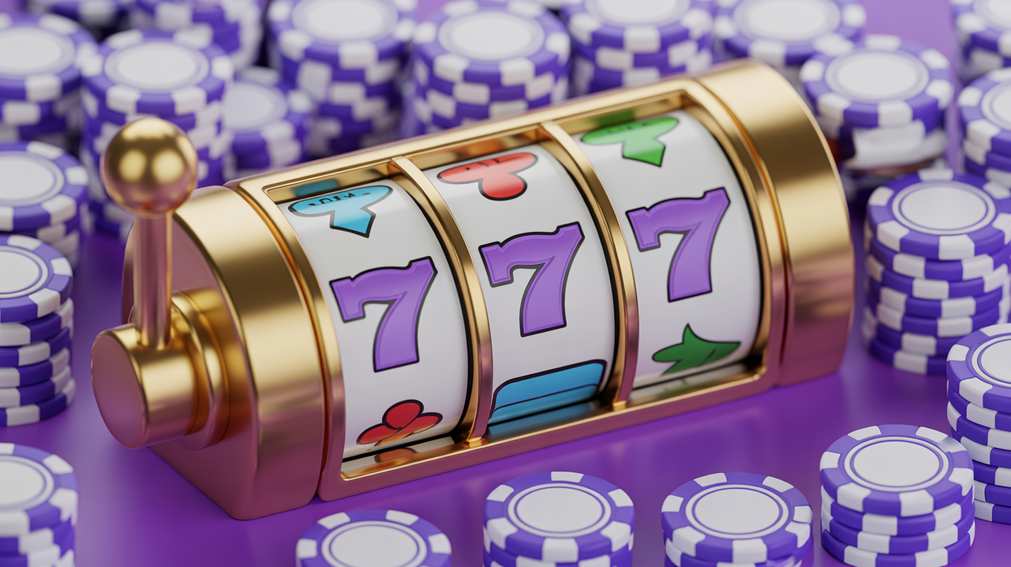
The Role of Visuals in Casino Game Design
Visuals play a crucial role in casino game design. Bright colors and animations can stimulate the brain’s reward system and create a sense of excitement. Realistic graphics and sound effects can create a sense of immersion and authenticity. However, excessive use of bright colors and animations can lead to visual fatigue and decreased player engagement. A balance must be struck between creating an engaging atmosphere and avoiding overwhelming the player.
Casino games also use sound effects and music to create a sense of atmosphere and excitement. The use of sound effects can enhance the overall gaming experience, creating a sense of tension and anticipation. For example, the sound of a slot machine spinning or the dealer’s voice in a game of blackjack can create a sense of realism and immersion.
The Psychology of Addiction
The design of casino games can have a significant impact on mental health, particularly for vulnerable individuals. The use of variable rewards, social proof, and other psychological techniques can create a sense of addiction and obsession. Players may become hooked on the potential for a big win, leading to over-spending and financial problems. It is essential for casinos to implement responsible gaming practices, such as self-exclusion programs and deposit limits, to help prevent problem gambling.
Casino game designers must also consider the potential impact of their games on mental health. The use of variable rewards and social proof can create a sense of anxiety and stress, particularly for players who are prone to addiction. By incorporating features such as reality checks and self-exclusion programs, casinos can help mitigate the negative effects of their games and promote responsible gaming practices.
FAQ
What is the primary goal of casino game design?
The primary goal of casino game design is to create engaging and profitable games for players. This can be achieved through the use of psychological techniques such as variable rewards, social proof, and loss aversion.
Can casino games lead to addiction?
Yes, casino games can lead to addiction, particularly for vulnerable individuals. The design of casino games can create a sense of addiction and obsession through the use of variable rewards, social proof, and other psychological techniques.